

Key Takeaways
Preventive vet care
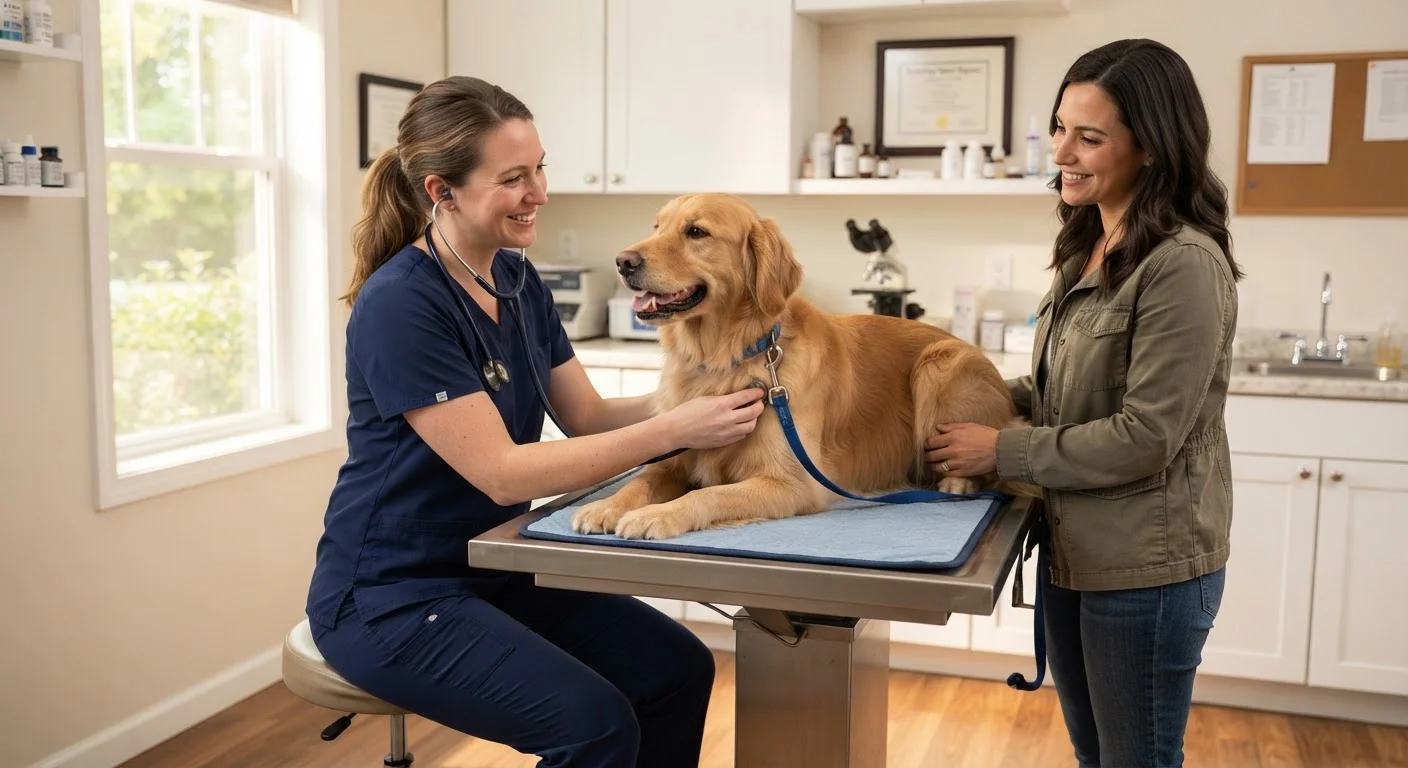
Preventive vet care refers to scheduled, routine veterinary services designed to keep a pet healthy before illness or injury occurs. This includes annual or semi-annual wellness exams, core vaccinations, parasite prevention, and dental cleanings. The goal is to detect early warning signs and maintain baseline health, rather than treating conditions once they become serious.
Veterinarians distinguish between preventive care (proactive, scheduled) and reactive care (treatment after symptoms appear). Reactive care almost always carries a higher cost per incident.
What preventive care actually includes
Preventive vet care is not a single service. It is a set of routine interventions spread across your pet's life, each serving a different protective function.
A standard annual wellness exam covers a physical assessment of your pet's weight, teeth, heart, lungs, skin, and joints. The vet checks for lumps, abnormal sounds, and signs of pain that an owner at home might miss. Blood panels, urinalysis, and fecal tests are often added for older pets or those with known risk factors.
Core vaccinations protect against diseases like rabies, distemper, and parvovirus in dogs, and panleukopenia and rabies in cats. These are not optional in most states for rabies, and skipping them creates real legal and health exposure.
Parasite prevention covers heartworm, fleas, ticks, and intestinal worms. Monthly preventives cost roughly $10 to $25 per month depending on your pet's size and the product category. Treating an active heartworm infection in a dog, by contrast, typically costs $1,000 or more and requires weeks of restricted activity.
Dental cleanings are the preventive service owners skip most often, usually because of the upfront cost. A professional cleaning under anesthesia commonly runs $300 to $700. Advanced dental disease requiring extractions can run $1,500 or higher, not counting any associated antibiotic therapy or follow-up care.
How skipping care creates larger bills
Conditions caught early are almost always cheaper to manage than those found late. This pattern holds across nearly every common pet health problem.
Track your pet's weight between visits
Weight changes of 10% or more in either direction can signal an underlying problem in dogs and cats. Weighing your pet at home monthly (using a baby scale or a scale plus your own weight) gives you a baseline to share with your vet and can prompt an earlier visit when something shifts.
Obesity is one clear example. A vet catching gradual weight gain at an annual exam can recommend dietary adjustments before the pet develops diabetes, joint disease, or heart complications. Each of those conditions carries ongoing treatment costs that a feeding correction would have avoided.
Dental disease follows a similar path. Mild tartar buildup requires only a cleaning. Tartar that progresses to periodontal disease causes tooth root infections, bone loss, and bacteria that can affect the kidneys and heart. The ASPCA notes that dental disease is among the most common conditions seen in adult pets, and that it is largely preventable with regular cleanings and at-home brushing.
Organ screening in senior pets catches conditions like early-stage kidney disease, hyperthyroidism in cats, or Cushing's disease in dogs at a point when diet changes and low-cost medications can slow progression. The same conditions, diagnosed after the pet is symptomatic, often require hospitalization, IV fluids, and more aggressive and costly intervention.
For a broader view of how these costs fit into your annual budget, see what pet owners actually need to budget for each year.
Practical ways to stay consistent without overspending
Consistent preventive care does not require spending without a plan. A few approaches help families manage these costs without skipping visits.
Some veterinary practices offer wellness plans, which bundle annual exams, vaccines, and sometimes a dental cleaning into monthly installments. These plans do not work like insurance; they are prepaid packages. For families who tend to delay care because of a large upfront bill, spreading the cost across 12 months can improve follow-through.
Community clinics and low-cost vaccination events run by humane societies or county animal services provide core vaccines at a fraction of private practice prices. These are appropriate for healthy pets who simply need routine shots, though they are not a substitute for a full physical exam.
Veterinary teaching hospitals are another underused option. Students perform procedures under licensed faculty supervision, and fees are generally lower than private practice. Quality of care at accredited programs is held to a high standard.
For more on these options, see our guide to low-cost vet and wellness resources. And if you are deciding how to set aside money for pet care overall, the comparison in pet insurance vs. a dedicated savings fund covers the trade-offs in detail.
$1,000+
Typical cost to treat heartworm in dogs
The American Heartworm Society estimates treatment for an active heartworm infection in dogs ranges from $1,000 to $1,500 or more, compared to roughly $35 to $80 per year for preventive medication.
80%
Adult dogs with dental disease by age 3
The American Veterinary Medical Association reports that most dogs show signs of periodontal disease by age three, making dental cleanings one of the highest-impact preventive services for long-term cost control.
2x to 4x
Cost multiplier for reactive vs. preventive care
Veterinary cost data consistently shows that treating a condition after it becomes symptomatic costs significantly more than managing it early, with the gap widening for chronic diseases like kidney failure or diabetes.
Avoiding unnecessary spending elsewhere in your pet budget also frees up room for preventive care. Common overspending habits in pet ownership are often easy to correct without reducing your animal's quality of life.