

Key Takeaways
Why small habits compound more than big cuts
Most families try to save on travel by making one dramatic move: booking a cheaper hotel or finding a flight sale. That approach works occasionally, but it is not reliable. What compounds reliably are small decisions repeated across every trip, year after year.
Think of it as a ledger. Every time a family books lodging a few weeks earlier than usual, packs a cooler instead of stopping at a highway rest stop, or shifts a trip two weeks outside peak season, a small amount stays in the budget. Across three or four trips per year, those amounts add up to hundreds of dollars, sometimes more.
The logic behind shoulder season travel is a good example. Moving a beach trip from the last week of July to mid-September does not require sacrifice; it requires a habit of checking dates before locking in plans. That single habit, repeated annually, can cut lodging and activity costs by 20 to 40 percent at many domestic destinations.
Booking timing and lodging choices
Domestic flights and hotels price dynamically, meaning the same room or seat costs different amounts depending on when you buy. For flights, research from travel data analysts has generally found that booking six to ten weeks out for domestic routes tends to avoid both the early-bird premium and the last-minute surge, though this varies by route and season. Always verify current conditions before booking.
For lodging, the type of accommodation matters as much as timing. Vacation rentals with full kitchens shift food costs dramatically. A family that spends three nights in a rental and cooks two dinners saves the equivalent of two restaurant meals, often $60 to $120 depending on family size and location. That is not a dramatic cut; it is a quiet, repeatable habit.
Flexibility also has real dollar value. Families who can shift travel by even a day or two to avoid Friday night arrivals or Sunday returns tend to find lower rates consistently. The booking mistakes that cost families the most often come down to rigidity: choosing convenient dates over affordable ones when the difference is smaller than it feels.
Book lodging with a kitchen at least four weeks before departure.
Kitchen access shifts two to three meals per day from restaurant spending to grocery spending, which is consistently cheaper for families. Booking early also avoids premium rates that appear as inventory shrinks.
Check shoulder season dates before locking in travel plans.
Peak season pricing at domestic destinations can add 30 to 50 percent to lodging and activity costs. Shifting a trip by two to four weeks often avoids crowds too, which improves the experience alongside the savings.
Set a per-day food budget before departure and track it in real time.
Without a daily food target, spending drifts upward meal by meal. A visible number creates a decision point before each meal rather than a surprise at trip end.
Record actual trip spending within 48 hours of returning home.
Memory fades quickly after travel. Receipts and bank records are easier to reconcile immediately. The data from one trip improves the budget estimate for the next.
Use rewards points only for travel categories already in your budget.
Redeeming points for flights or hotels that replace planned spending produces real savings. Redeeming for aspirational trips that add to spending does not reduce costs.
Food spending on the road
Food is where domestic travel budgets quietly unravel. Three meals a day for a family of four at sit-down restaurants can run $150 to $200 daily in many parts of the country. That adds $450 to $600 to a three-day trip before activities, fuel, or lodging are counted.
The practical correction is not about skipping restaurants entirely; it is about choosing which meals to buy out. Breakfast from a grocery store, lunches packed from a cooler, and one dinner out per day cuts food spending roughly in half without eliminating the experience of eating locally. For a clear look at where road trip costs hide, food is consistently underestimated in pre-trip budgets.
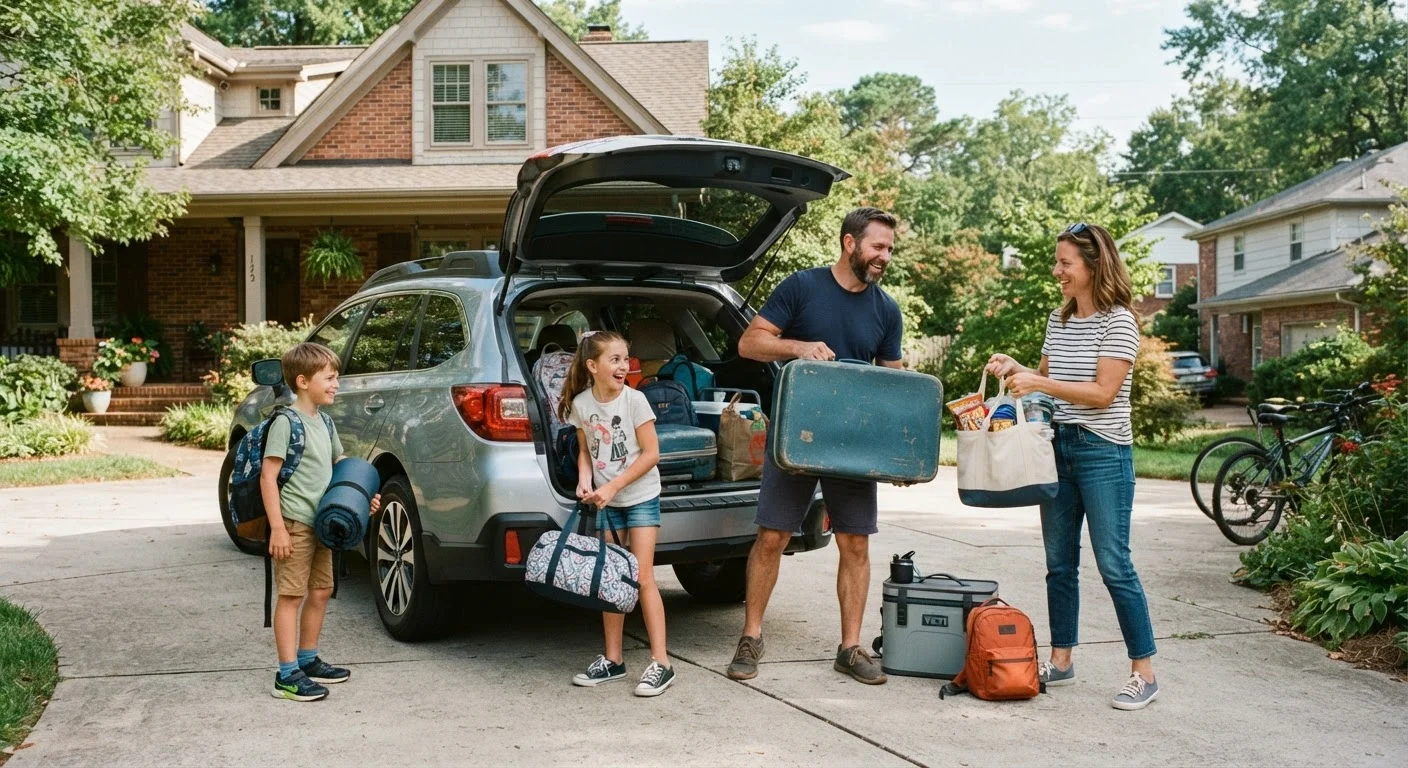
Packing a well-stocked car cooler before departure is one of the highest-return prep steps a family can take. Drinks, fruit, sandwich ingredients, and snacks for a three-day trip can cost $40 to $60 at a grocery store versus two to three times that amount at gas stations and highway rest stops. See smart car packing strategies for load-organization ideas that make a cooler practical without creating chaos.
Tracking spending so the next trip costs less
Most families estimate what a trip will cost beforehand but never record what it actually cost afterward. That gap makes it impossible to improve. A simple habit: at the end of each trip, spend 20 minutes tallying lodging, food, fuel, activities, and miscellaneous fees. Compare that total to what you expected to spend.
Patterns appear quickly. A family might discover they consistently underspend on lodging but overspend on food by a similar margin, meaning the restaurant habit is the real target. Or they find activity fees, like paid parking at national parks, entrance fees, and equipment rentals, adding up to more than any single budget category they tracked.
This connects directly to how a household budget works year-round. Travel is a category inside a broader financial picture. Families who treat it as a planned, tracked line item rather than an annual splurge tend to travel more often, not less, because they accumulate savings toward it intentionally. The month-end money audit habit is a natural place to include travel savings progress alongside other goals.
Rewards programs can help offset real costs when used carefully. Points earned on everyday spending can cover flights or hotel nights, but only if the family pays balances in full each month. Carrying interest charges on a travel card eliminates the value of any points earned. The mechanics of how points and miles work are worth understanding before committing to any program.
This article provides general travel planning information for educational purposes. Prices, availability, and conditions vary by destination and season. Verify current rates and entry requirements directly with providers and official sources before booking.